Freezer Meal Prep: A Guide to Cooling, Packing, Thawing and Reheating
Freezer meal prep looks like cooking. Most of it is actually storage: cooling food quickly, packing it so it doesn’t get freezer burn, knowing what will survive the freezer and what won’t, and getting it back to the table in good shape. A well-planned freezer session turns one Sunday into two or three weeks of dinners. A badly planned one turns into a drawer of frosted mystery bags nobody wants to open.
This guide covers the process from the stove to the plate.
Freezer Meal Prep Is Mostly About Cooling and Packing
The freezer stops bacteria from growing, but it doesn’t kill them. What matters is how quickly food gets cold before it goes in, and how well it’s sealed once it’s there. A good freezer meal is cooled fast, packed flat and airtight, labeled, and eaten within about three months.
Keep the freezer at 0°F or below. A cheap freezer thermometer is worth having.
1. Cool it before it goes in
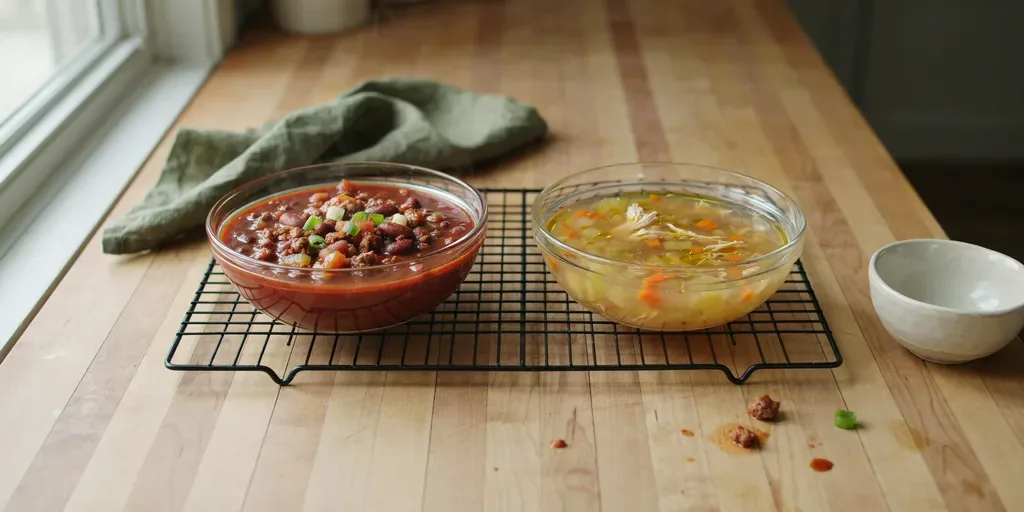
Cooked food should go from hot to refrigerated within two hours. A big pot of soup takes much longer than that to cool on its own. Divide it into shallow containers, no more than about 2 inches deep, and let them cool uncovered on a rack for 20 to 30 minutes before they go in the fridge. Freeze once they’re cold.
Putting a large hot pot straight into the freezer warms everything around it.
2. Freeze flat in bags
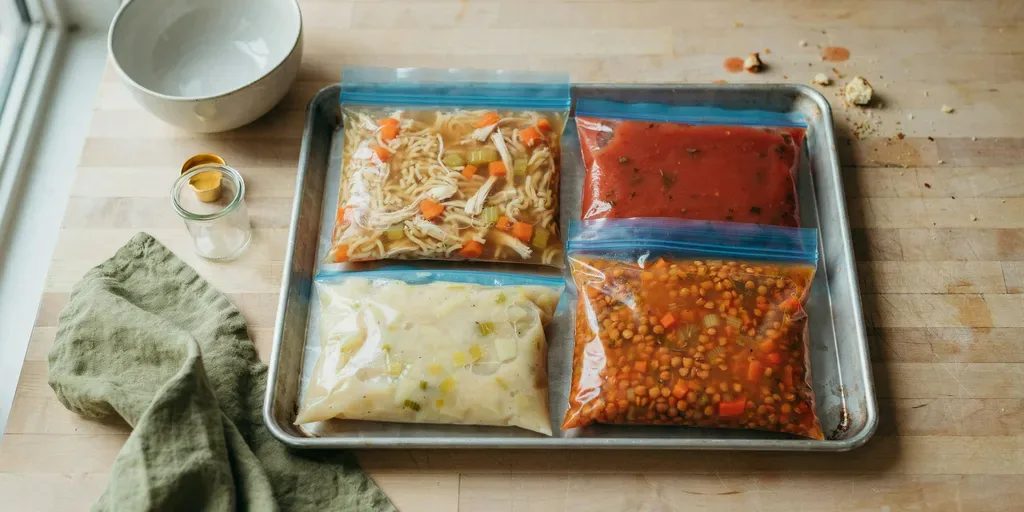
Soups, chili, sauces and shredded meat freeze best in heavy freezer bags laid flat on a sheet pan. Press out as much air as possible before sealing; air causes freezer burn. Once frozen, the flat bags take very little space and thaw much faster than a solid block in a tub.
Fill bags to about two-thirds. Liquids expand as they freeze.
3. Label everything
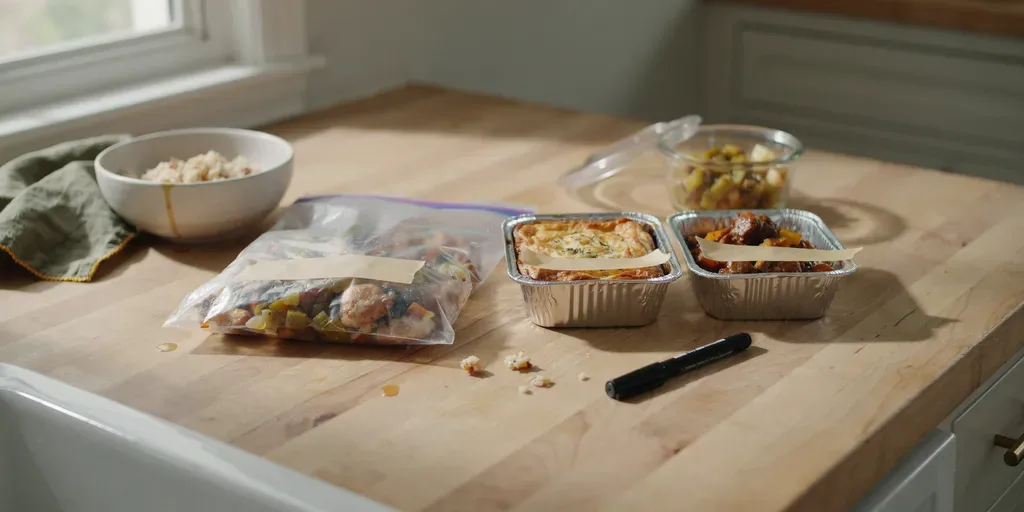
Every bag and pan gets three things: what it is, the date, and how to reheat it. Masking tape and a permanent marker work on everything, including foil. Two months from now, you won’t remember whether the brown bag is chili or beef stew.
4. What freezes well
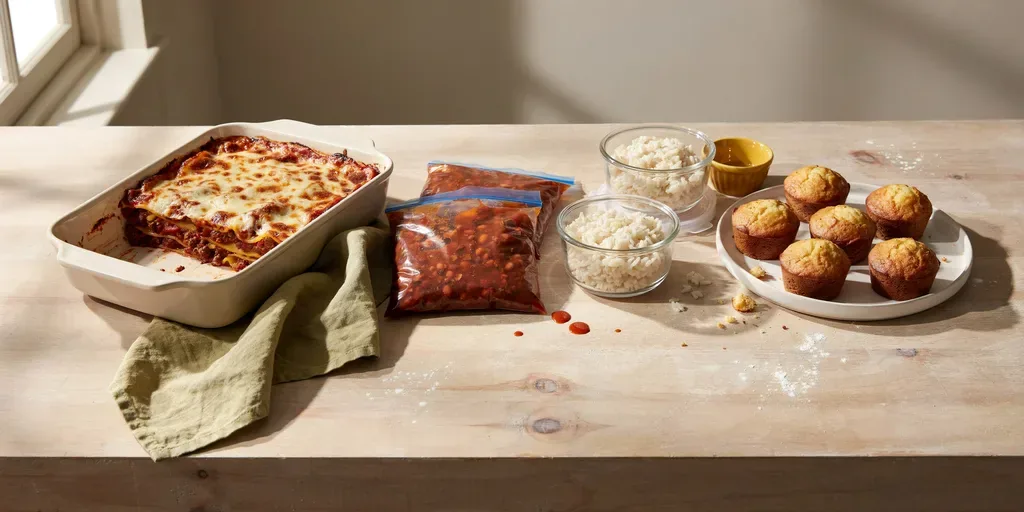
Freezer-friendly foods: soups and stews without potatoes or cream, chili, pasta sauces, casseroles like baked ziti and enchiladas, cooked rice and grains, shredded or cooked meat, meatballs, burritos, muffins, pancakes and bread.
Our casserole recipes for dinner note which casseroles freeze well.
5. What doesn’t
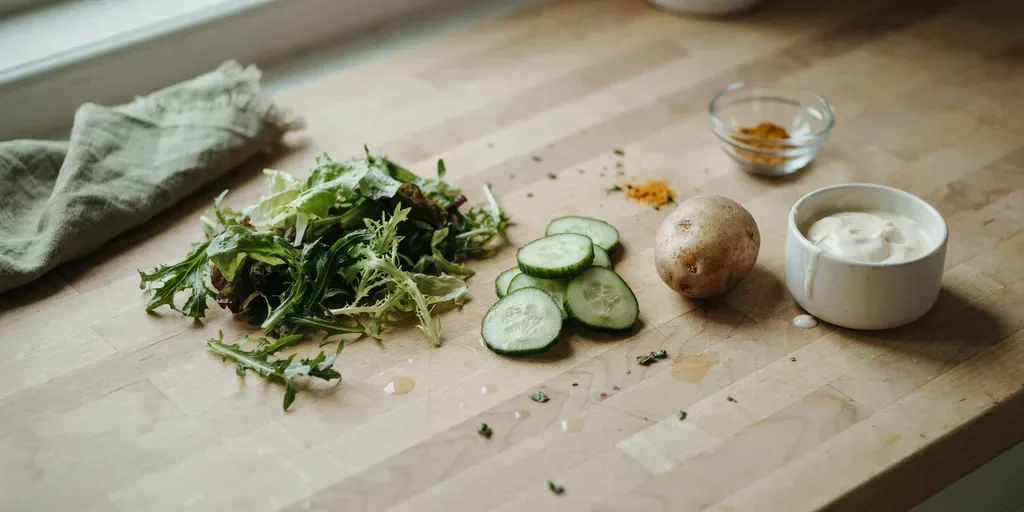
Some foods don’t survive freezing: lettuce and raw salad vegetables, cucumber, raw potatoes, cooked potatoes in soups, mayonnaise-based salads, cream sauces that separate, fried foods that go soggy and hard-boiled egg whites that turn rubbery.
Freeze the soup without the potatoes or pasta, and add them fresh when you reheat.
6. File bags like books
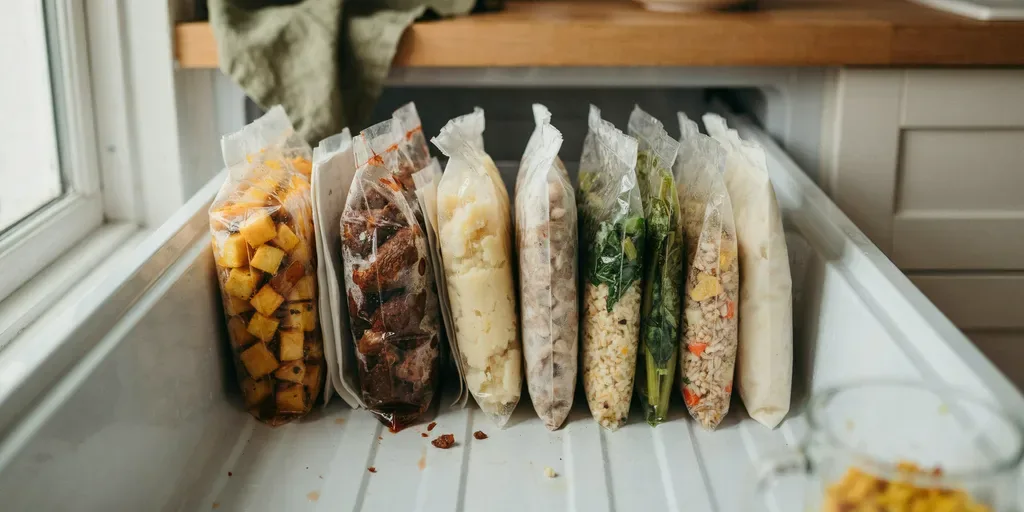
Once bags are frozen flat, stand them upright in a bin or drawer like files. You see every label without digging, and you can pull one out without moving the rest. Group them by type: soups, mains, breakfasts.
Put the newest bags at the back so the oldest get eaten first.
7. Thaw in the fridge
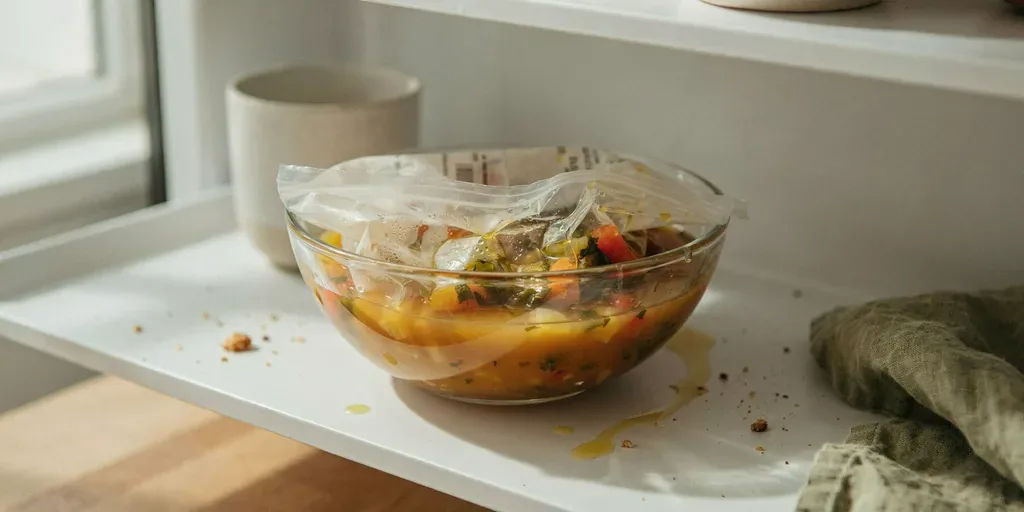
The safest way to thaw is in the fridge overnight. A flat bag thaws in about 12 hours; a full casserole can take a day or more. Put bags in a bowl in case they leak.
For a quicker thaw, put a sealed bag in cold water and change the water every 30 minutes. Don’t thaw on the counter. Many soups and sauces can also go straight from frozen into a pot over low heat.
8. Reheat to 165°F
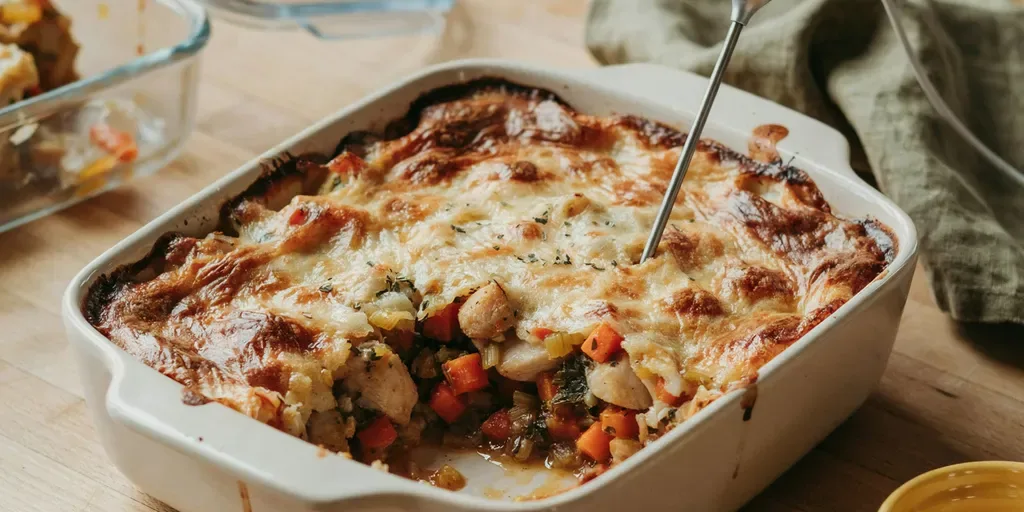
All leftovers should be reheated to 165°F in the center. Casseroles reheat best covered in the oven at 350°F. Soups and sauces go in a pot and should come to a simmer. In the microwave, stir halfway through and let it stand a minute, since microwaves leave cold spots.
A Freezer Prep Afternoon, Hour by Hour
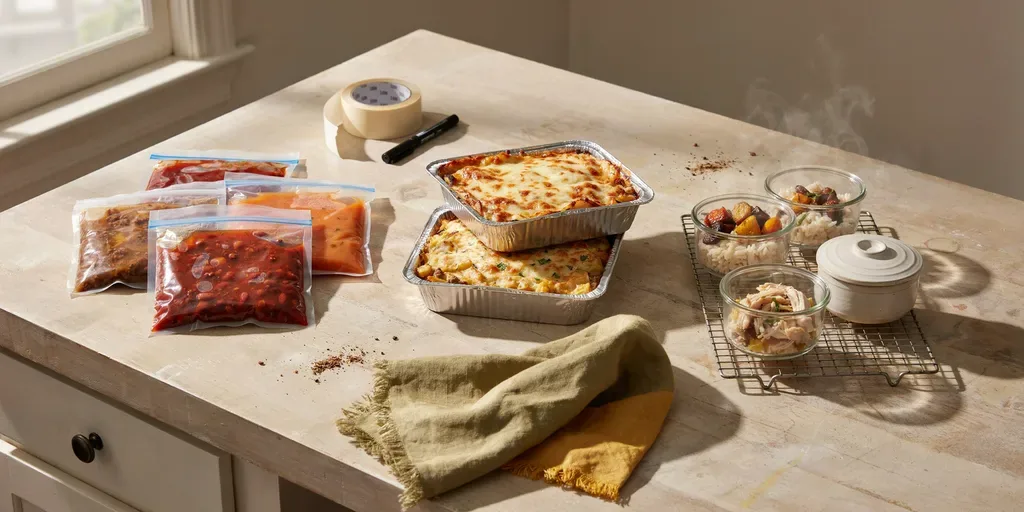
A practical session for a 3- to 4-hour afternoon, producing about 12 to 16 meals:
Hour 1: start a pot of chili and a pot of lentil soup on the stove or in two slow cookers. Cook a large batch of rice.
Hour 2: assemble two casseroles, like baked ziti and chicken enchiladas, in foil pans. Brown ground meat for burritos or meatballs.
Hour 3: ladle soups into shallow containers to cool. Roll burritos and wrap them individually. Cool the rice on a sheet pan.
Hour 4: bag and label everything, freeze flat, wash up.
Shopping list for this session: ground beef or turkey, chicken, two cans of beans per soup, canned tomatoes, onions, carrots, rice, pasta, tortillas, cheese and marinara.
Afterwards, write a list of what’s in the freezer on the door or in your phone, and cross things off as they’re eaten.
What We Would Skip
Freezing food that’s been sitting out for hours.
Plastic tubs filled to the brim. Liquid expands and the lid pops.
Refreezing thawed raw meat without cooking it first.
Keeping freezer meals indefinitely. Most taste best within three months.
Where We Would Start
Two soups and a casserole on one afternoon, cooled in shallow containers and frozen flat. That’s eight to twelve meals. For containers that handle the freezer, see our guide to meal prep containers, and for soups that freeze well, our crockpot soup recipes.
Questions We Get Asked
How long do freezer meals last?
Most are best within about three months. They stay safe longer at 0°F, but texture and flavor decline.
Can you put hot food in the freezer?
Cool it first. Hot food raises the freezer’s temperature and can partly thaw other food.
How do you prevent freezer burn?
Remove as much air as possible, use heavy freezer bags or airtight containers, and eat within a few months.
What is the safest way to thaw frozen meals?
In the fridge overnight. Cold water, changed every 30 minutes, works for faster thawing.
What temperature should freezer meals be reheated to?
165°F in the center.
Can you refreeze thawed food?
Food thawed in the fridge can be refrozen, though quality suffers. Food thawed in cold water or the microwave should be cooked before refreezing.
What are the best meals to freeze?
Soups without potatoes or cream, chili, pasta casseroles, enchiladas, meatballs, burritos, cooked rice and sauces all freeze well.