Low Calorie Meal Prep: 7 Boxes That Still Fill You Up
Lower calorie meal prep fails for one reason more than any other: the boxes are too small to be satisfying, so by 3 p.m. you’re at the vending machine. The way around it is volume. Lots of vegetables, enough protein and a smaller portion of starch make a box that looks full and keeps you going.
The seven boxes below follow that idea. None of them need special products, and all keep 3 to 4 days in the fridge.
This is general cooking information, not a diet plan. If you’re managing your weight or a health condition, a doctor or registered dietitian can help set the right targets for you.
Low Calorie Meal Prep Starts With Volume
Vegetables add a lot of food for relatively few calories, and protein keeps you full longer. Swapping part of the rice or pasta for cauliflower rice, zucchini noodles or extra vegetables lowers the calories of a box without making it look smaller.
Cook proteins to safe temperatures: 165°F for chicken and turkey, 145°F for fish and shrimp. Cool the boxes quickly and refrigerate within two hours.
1. Chicken with cauliflower rice
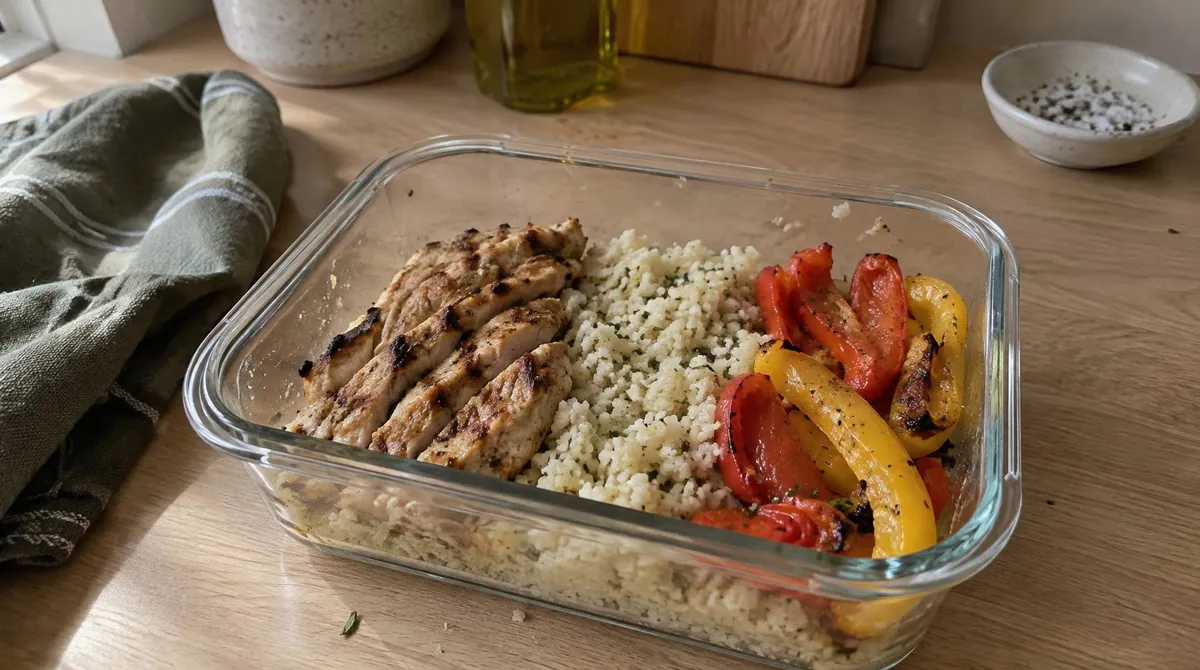
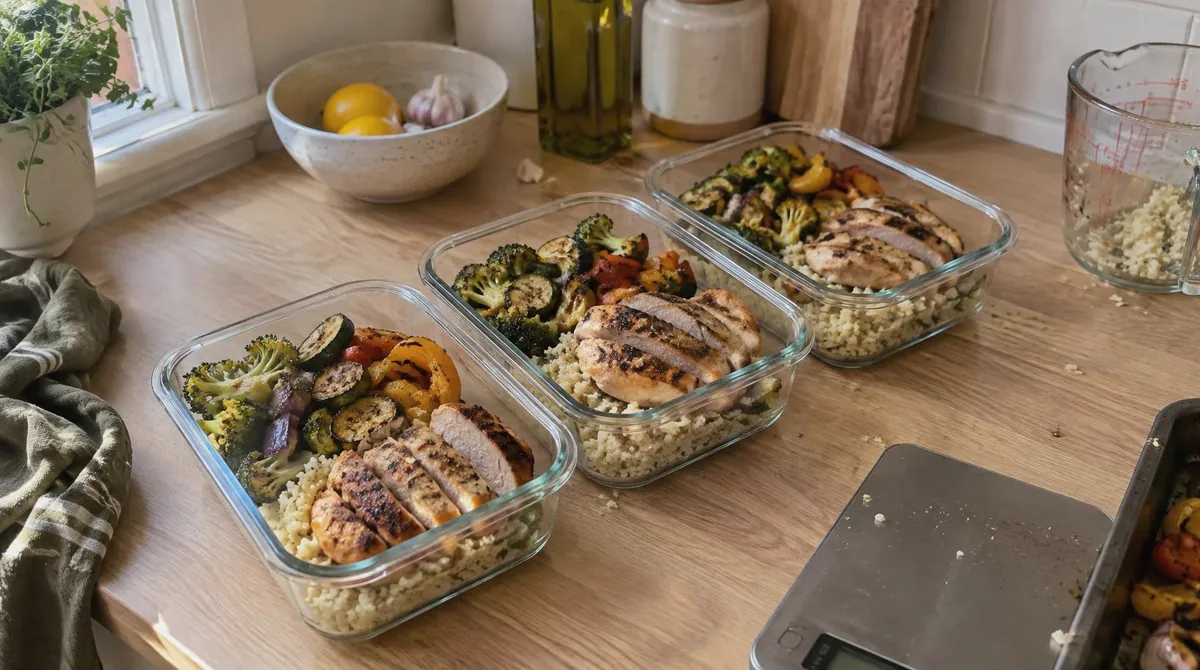
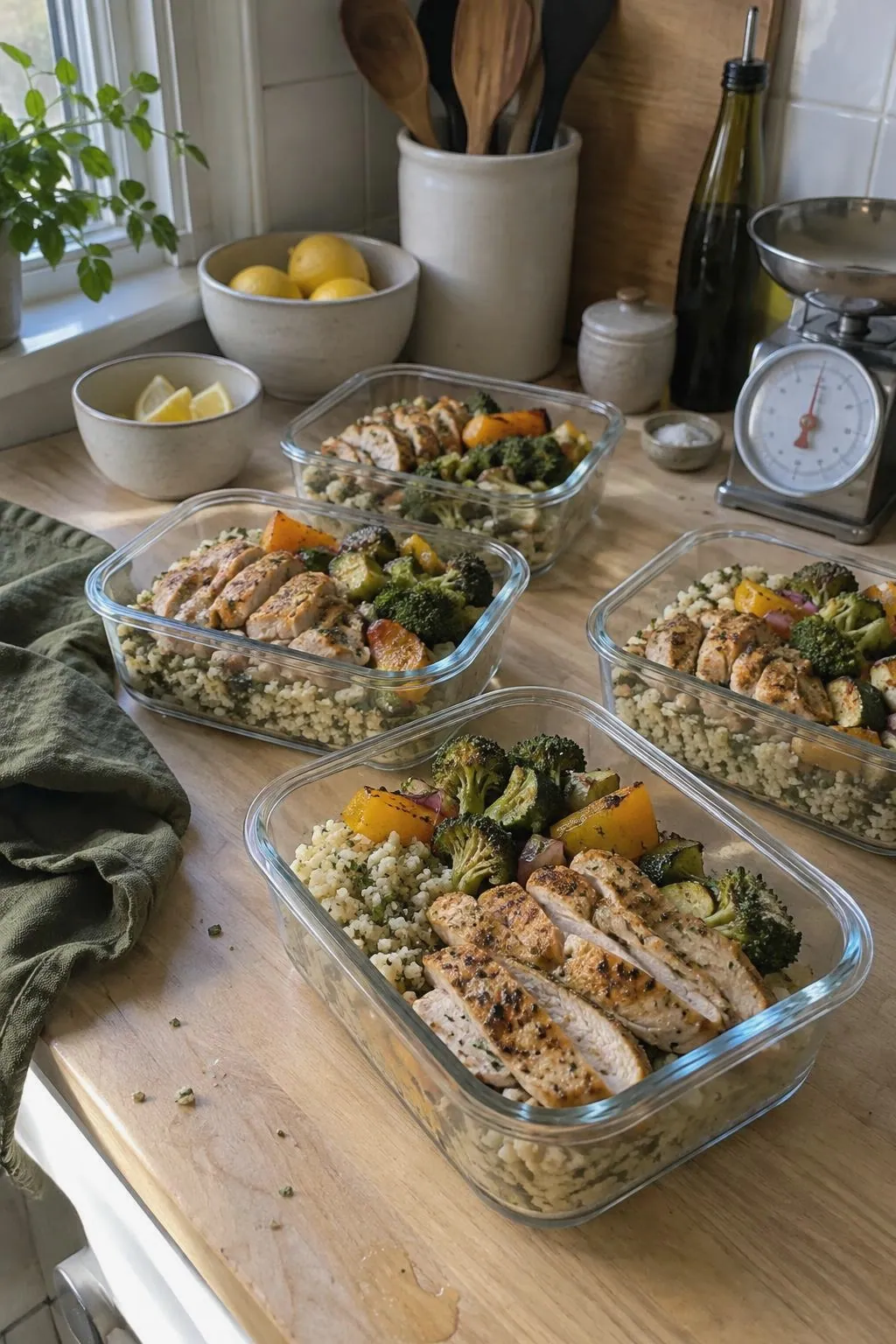
Grill or bake seasoned chicken breast until it reaches 165°F, rest and slice. Sauté riced cauliflower in a little oil with garlic for about five minutes. Add roasted peppers and onions.
If cauliflower rice alone isn’t filling enough, mix it half and half with brown rice.
2. Egg roll in a bowl
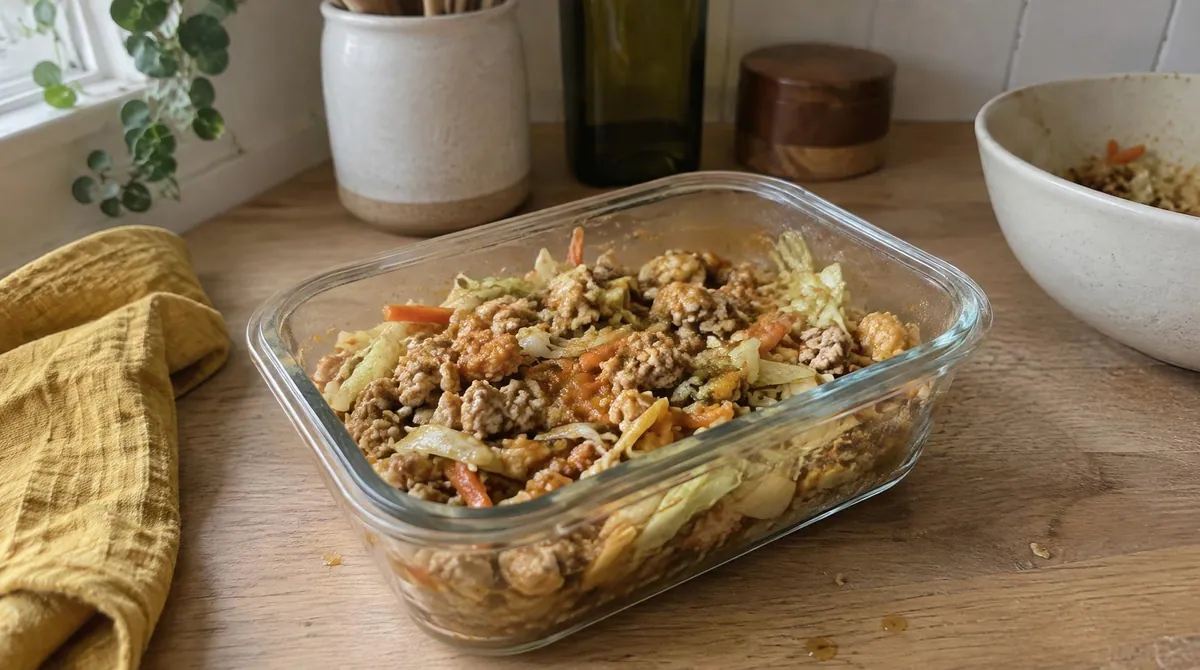
Brown lean ground turkey with garlic and ginger, add a bag of coleslaw mix and cook until just tender. Season with low-sodium soy sauce, a little sesame oil and green onions.
It takes 15 minutes in one pan and reheats well.
3. Shrimp with zucchini noodles
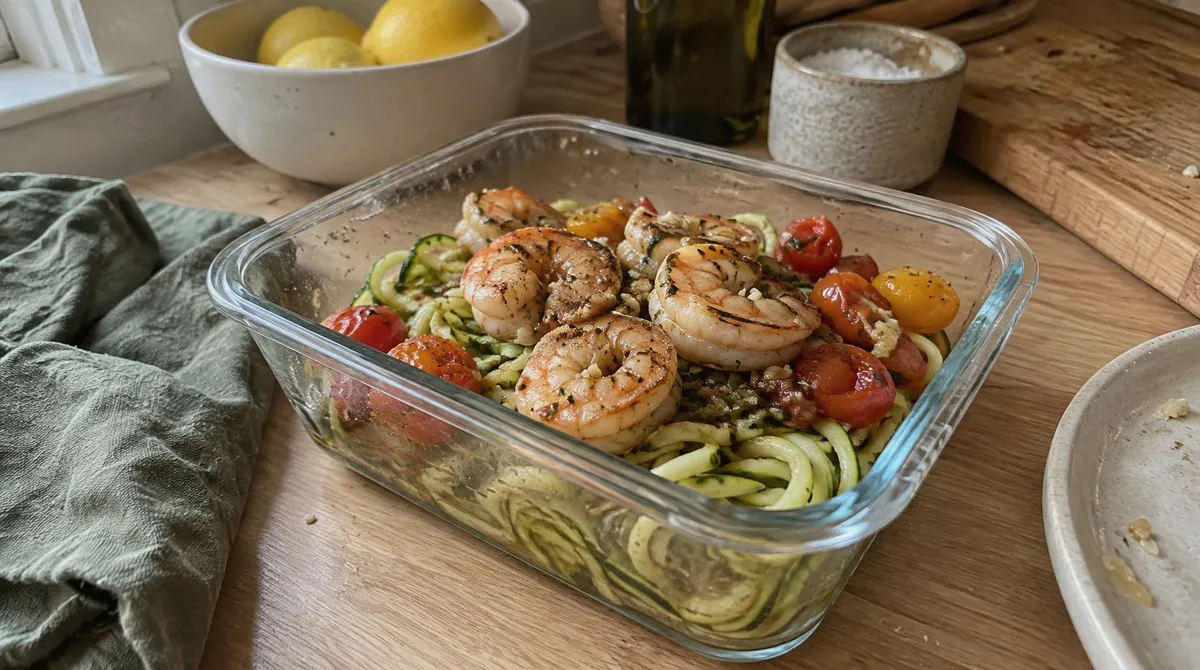
Sauté shrimp with garlic and lemon until pink and opaque. Pack the zucchini noodles raw underneath with cherry tomatoes; they’ll soften when reheated.
Cooking zucchini noodles ahead makes them watery by day two.
4. Turkey chili
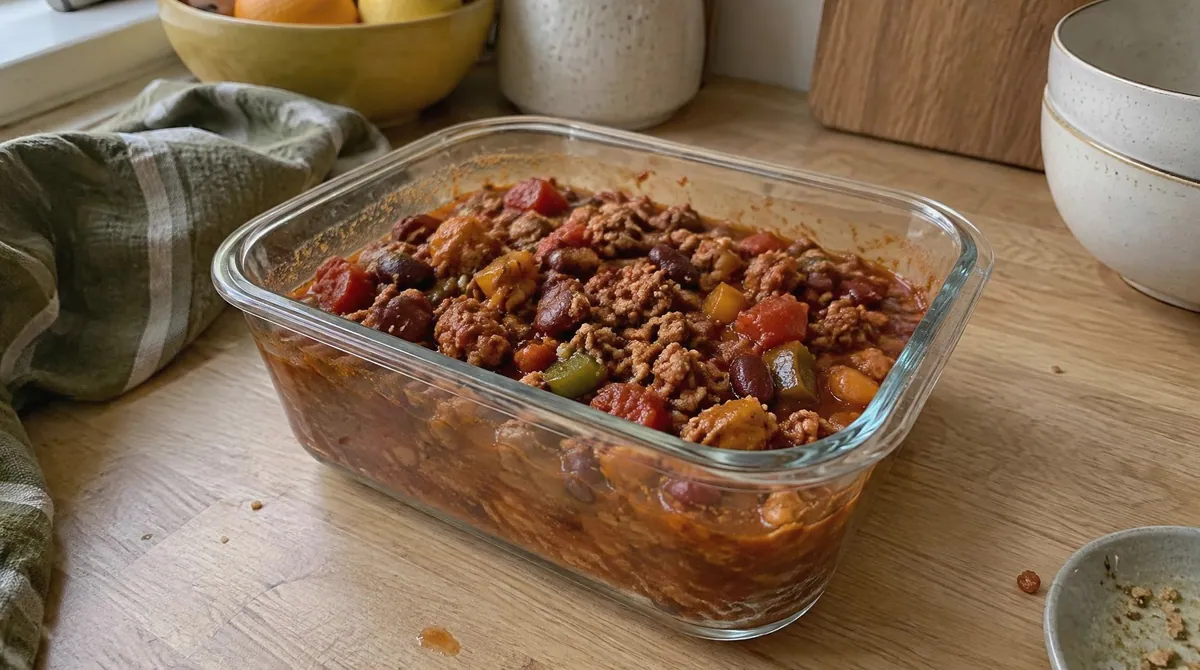
Brown lean ground turkey with onion and peppers, add chili powder, cumin, crushed tomatoes and two cans of beans. Simmer 30 minutes.
Chili is one of the most filling meal prep options for its calories, and it freezes well.
5. Greek yogurt and berry cups
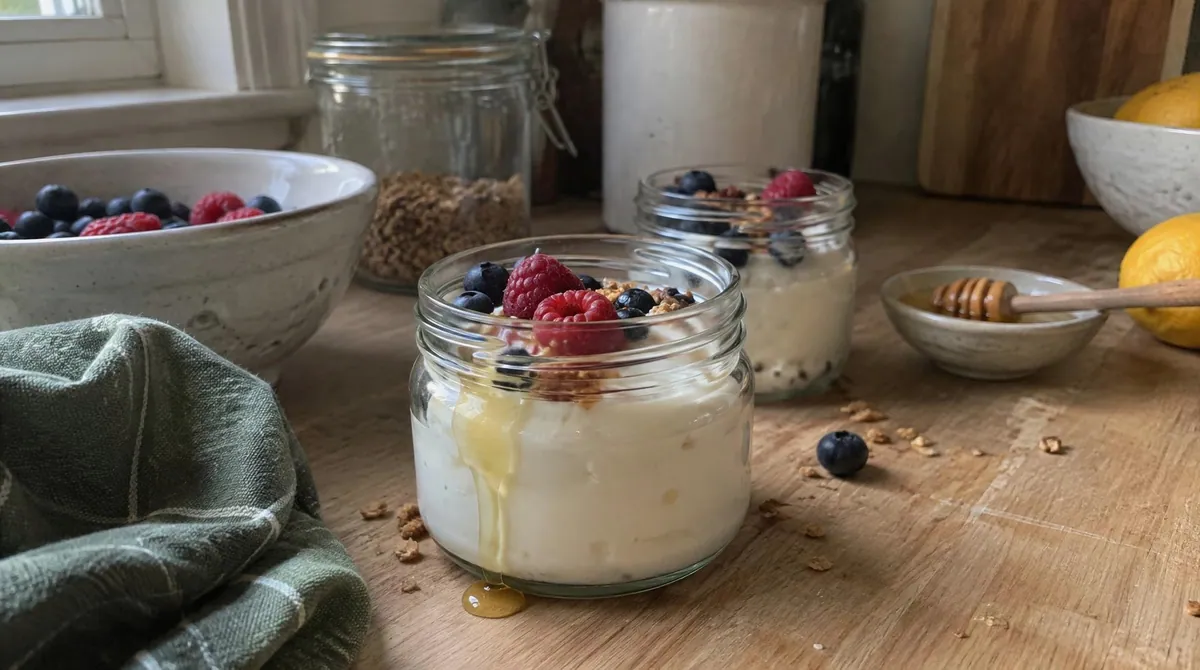
Spoon plain Greek yogurt into small jars and top with berries. Add a little granola or nuts in a separate container if you want crunch.
Plain yogurt has much less sugar than flavored versions; the fruit sweetens it.
6. Big salad jars
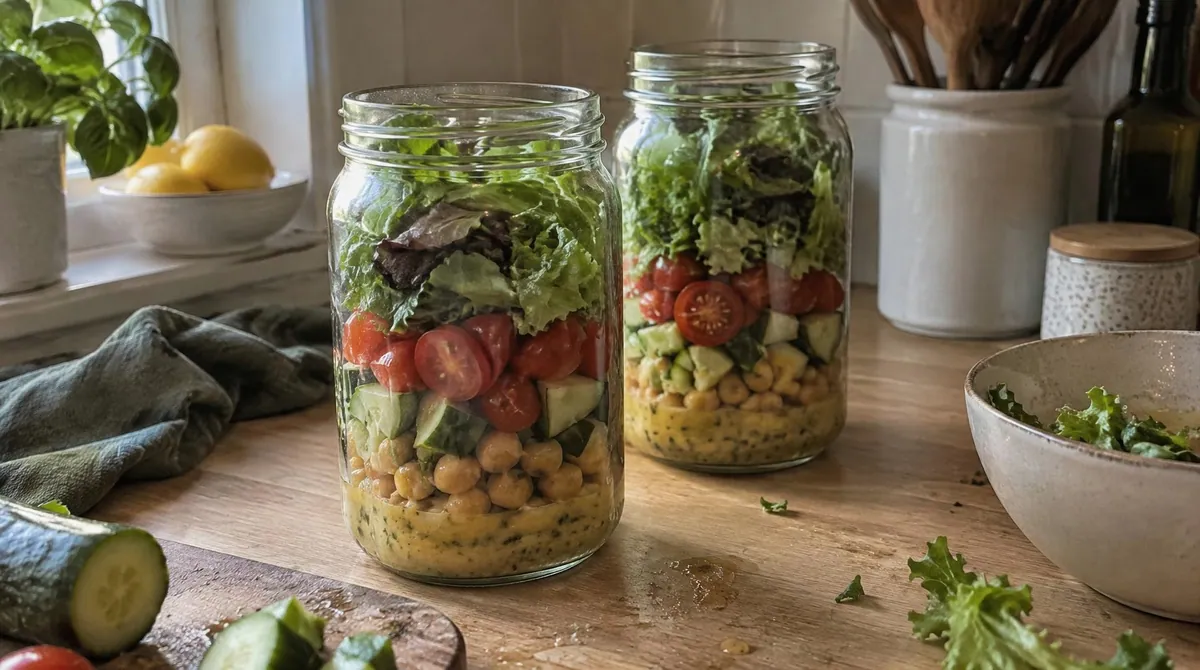
Layer dressing at the bottom, then sturdy vegetables and chickpeas, then greens on top. Shake into a bowl when you eat. Add chicken or eggs for more protein.
Measuring the dressing is one of the easiest ways to keep a salad lighter.
7. Cod with green beans
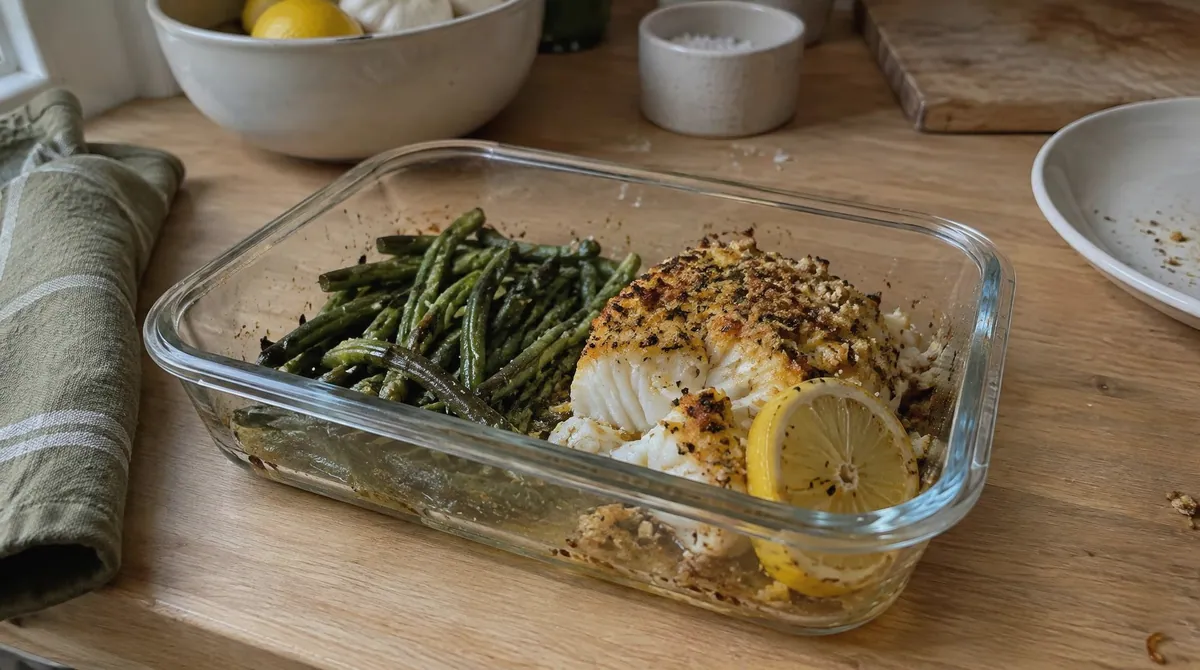
Bake cod fillets with lemon, garlic and paprika at 400°F for about 12 to 15 minutes, until the fish reaches 145°F and flakes. Roast green beans on the same pan.
Cod is very lean and mild. Eat fish boxes within 2 to 3 days for the best texture.
8. Weigh it once
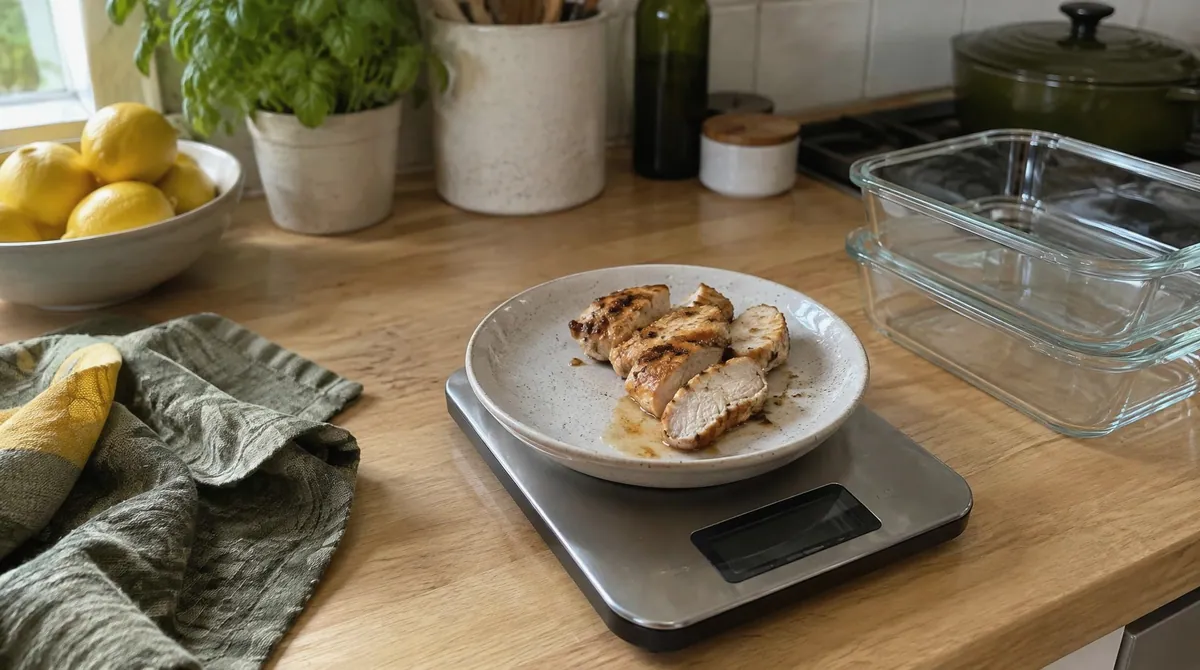
Portion sizes are easy to misjudge. Weighing the protein and starch once, for one week, teaches you what a portion looks like in your containers. After that, you can portion by eye.
A basic kitchen scale costs little and is useful for baking too.
A Low Calorie Meal Prep Week
| Meal | Box |
|---|---|
| Breakfast | Greek yogurt and berry cups |
| Lunch | Salad jars or egg roll in a bowl |
| Dinner | Chicken with cauliflower rice, turkey chili or cod |
| Snack | Vegetables and hummus, fruit |
Why Volume Works, Mechanically
Vegetables are mostly water and fiber, which means they take up room in the box and take time to eat. Both matter. A box that looks full is one you sit down to rather than glance at, and food that needs chewing finishes slower than food that does not.
Protein is the other half of it, and a cup of cooked beans carries about 15 grams while three ounces of chicken carries about 26 — figures from USDA FoodData Central. A box of vegetables alone is not the same meal as a box of vegetables with one of those in it, whatever the container looks like.
This is general cooking information rather than a plan. What the right portion is for you is a question for a doctor or a registered dietitian, not for a recipe page.
Reheating Without Losing the Volume
The vegetables that make these boxes look full are also the ones that collapse. Zucchini noodles are the worst offender: cooked on Sunday they are a puddle by Tuesday, which is why they go into the box raw and get heated with everything else. Cauliflower rice behaves the same way, so keep it slightly underdone when you cook it and let the reheating finish the job.
Cabbage, peppers, green beans and broccoli hold their shape through four days and a microwave. If a box has to last to Friday, build it from those and leave the delicate vegetables for Monday and Tuesday.
One practical habit: pack anything watery in its own small container rather than against the grain or protein. It is the difference between reheating a meal and reheating a soup you did not plan.
What We Would Skip
Boxes so small you’re hungry an hour later. Add vegetables until the box looks full.
Cutting out protein to save calories. It’s what keeps you full.
Low-fat processed products with a lot of added sugar. Plain, simple ingredients work better.
Where We Would Start
Egg roll in a bowl and turkey chili. Both take one pan or one pot and make four or five boxes. For more structure, our meal prep for the week plan shows how to organize a Sunday, and our meal prep containers guide helps with portion sizes.
Questions We Get Asked
What are good low calorie meal prep ideas?
Chicken with cauliflower rice, egg roll in a bowl, turkey chili, cod with green beans and big salad jars.
How do I make low calorie meals filling?
Add lots of vegetables, include protein in every box and swap part of the starch for cauliflower rice or zucchini noodles.
How long does meal prep last in the fridge?
Most boxes keep 3 to 4 days. Fish is best within 2 to 3 days.
Can I freeze low calorie meal prep?
Chili, soups and cooked proteins freeze well. Salads and zucchini noodles don’t.
Do I need to count calories to meal prep?
No. Filling half each box with vegetables and including protein is a simple guide. A dietitian can help if you have specific goals.
Is cauliflower rice healthy?
It’s a vegetable with fewer calories than rice. Mixing it with regular rice is a good compromise if you miss the texture.
Why am I hungry an hour after a prepped lunch?
Usually because the box was mostly starch and vegetables with very little protein in it. Adding a real protein source rather than making the box bigger is the fix that works.
Do I have to use cauliflower rice?
No. Half cauliflower rice and half brown rice keeps the texture most people actually want, and the boxes still look full. Swapping the whole thing out is the version people abandon after a week.